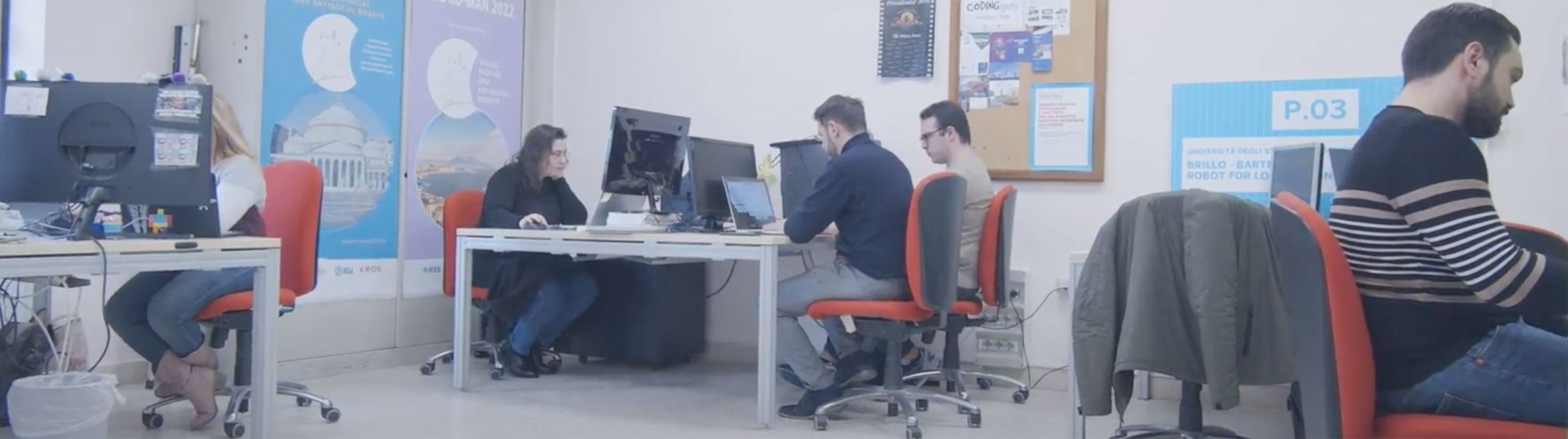
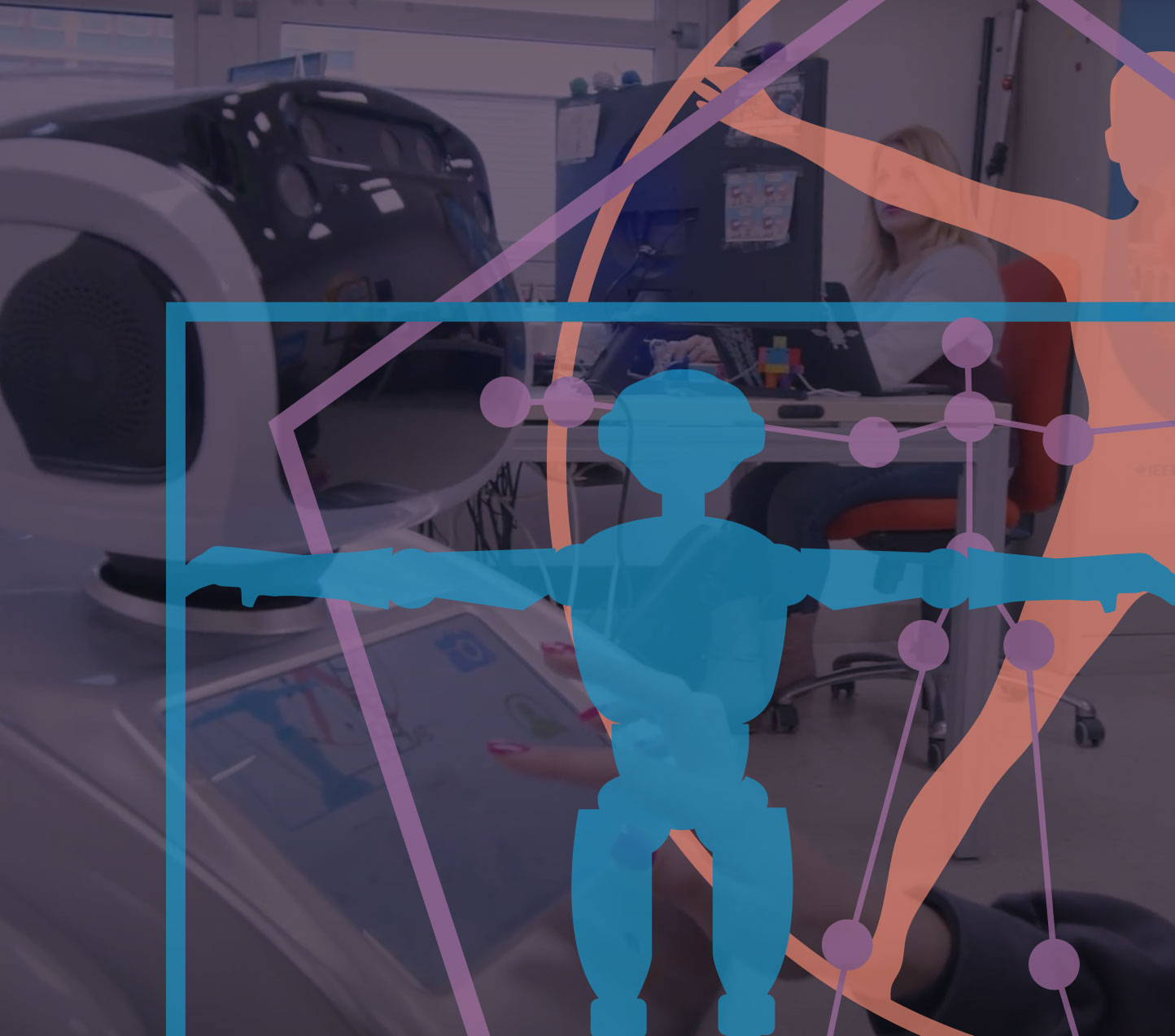
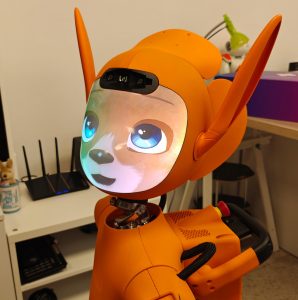
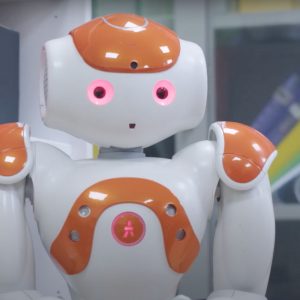
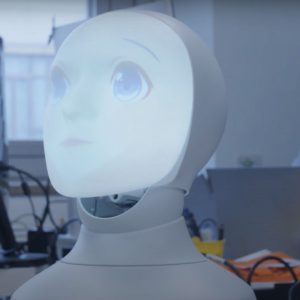
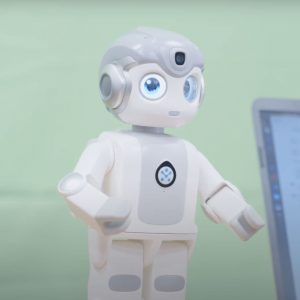
is a research center dedicated to developing advanced Artificial Intelligence and Computer Vision solutions for social and service robotics. The laboratory’s research focuses on effective user modeling, the adaptation of robotic behaviors, and the analysis of fundamental AI paradigms for perception and decision-making.
Research activities encompass adaptive cognitive control and architectures designed for human-robot interaction and cooperation. Furthermore, the lab explores the intelligent fusion of multi-sensory data—such as computer vision—to develop personalized, multimodal, and multi-user interactions. PRISCA designs robotic systems capable not only of performing complex tasks but also of understanding their environment, interacting safely, and consequently adapting to social and assistive contexts. This approach considers key factors—related to the individual, the robot, and the environment—that influence human acceptance and trust in robotic technology. The ultimate goal of PRISCA is to ensure the seamless integration of robots into everyday life.
PRISCA Lab is part of the ICAROS center (Interdepartmental Center for Advances in Robotic Surgery).